
 Blogs
Blogs Adoption
 Medical Store
 E Commerce
 - A few reasons you’ll love Online Business Directory Email us on: info@petsfeet.com
- store Add your business
- font_downloadwrite for us
Exploring Animal Empathy: Men’s Emotional Responses to Animals
12 Jun 2024
Exploring Animal Empathy: Men’s Emotional Responses to Animals
Understanding how humans connect with animals reveals fascinating insights into our capacity for empathy. This article delves into recent research highlighting the unique ways in which men express empathy toward animals, a topic gaining significant attention in both psychological and sociological studies.
The Empathy Spectrum: Men and Animals
Empathy, the ability to understand and share the feelings of another, varies widely among individuals. Recent studies suggest that men may exhibit empathy towards animals differently compared to women. This difference is not merely anecdotal but is rooted in distinct psychological and social factors.
ALSO READ | Protect Your Dog from Fleas and Ticks: A Comprehensive Guide
Psychological Foundations of Empathy
Men's empathetic responses to animals can be influenced by various psychological factors. These include their upbringing, personal experiences with animals, and intrinsic personality traits. Research indicates that men who grew up with pets or who have had positive interactions with animals tend to show higher levels of empathy towards them.
The Role of Societal Norms
Societal expectations play a crucial role in shaping empathetic behaviors. Traditional gender roles often discourage men from expressing emotions openly. However, when it comes to animals, these societal constraints can sometimes be bypassed. Men might find it easier to express affection and care towards animals without the fear of societal judgment that they might face in human interactions.
Biological Underpinnings of Empathy
There are also biological aspects to consider. Studies suggest that men and women may process empathy through different neural pathways. For men, the neural responses involved in feeling empathy towards animals might be linked to areas of the brain associated with reward and care, similar to the responses seen in paternal instincts.
ALSO READ | Kochi Airport Introduces First-of-Its-Kind Pet Travel Facility
Case Studies and Observations
Numerous case studies have highlighted men's unique empathetic connections with animals. For instance, men who participate in animal rescue operations often describe a profound sense of fulfillment and emotional connection. These experiences are not only rewarding but also reinforce positive empathetic behaviors.
The Impact of Animal Interaction on Men
Interacting with animals has numerous psychological benefits for men. It can reduce stress, improve mood, and even enhance social interactions. Men who spend time with animals often report feeling more relaxed and happy. These interactions can also foster a sense of responsibility and compassion, further deepening their empathetic responses.
Promoting Empathy Through Animal Interaction
Encouraging men to engage more with animals can have broader social benefits. Programs that promote animal-assisted therapy and volunteering at animal shelters are excellent ways to foster empathy. These activities provide men with opportunities to express care and nurturing behaviors in a socially acceptable manner.
Future Directions in Research
Future research could explore how different types of animal interactions influence men's empathy levels. Longitudinal studies could provide deeper insights into how sustained relationships with animals impact men's emotional well-being and empathetic capacities over time.
ALSO READ | Pet Health Concerns Surge in Kolkata Due to Pre-Monsoon Weather
Conclusion: Bridging Human and Animal Bonds
Understanding men's empathetic responses to animals offers valuable insights into the broader spectrum of human empathy. By exploring the psychological, social, and biological foundations of this empathy, we can better appreciate the unique ways in which men connect with animals. Encouraging these connections can lead to a more empathetic society, benefiting both humans and animals alike.
By fostering these bonds, we not only enhance the emotional lives of men but also contribute to the welfare of animals, creating a harmonious coexistence. This understanding underscores the importance of nurturing empathy in all its forms, ultimately leading to a more compassionate world.
Related Posts
Social media
Category
Trending Posts
-
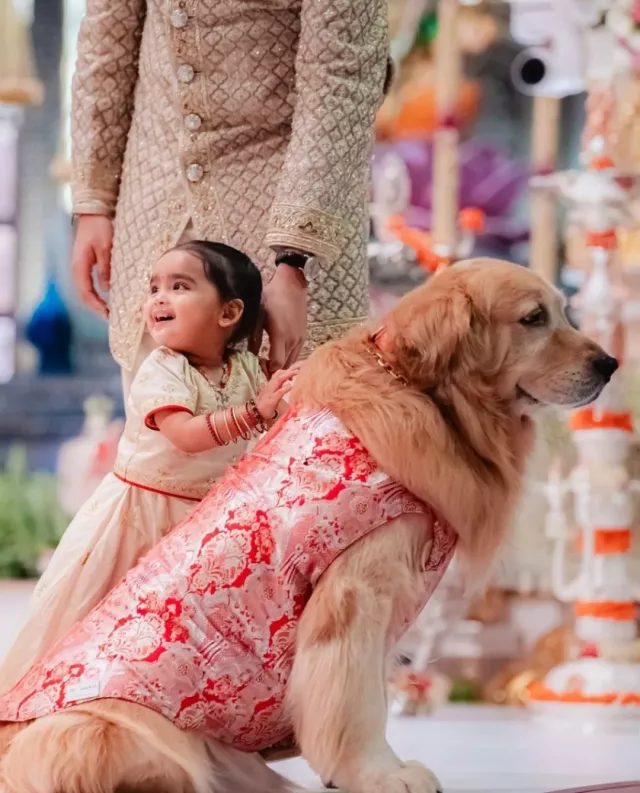
Isha Ambani and Anand Piramal's Daughter Aadiya Shakti with Her Beloved Pet Dog
15 Jul 2024 -

Keeping Pets Cool and Safe Amid Power Outages
11 Jul 2024 -

Ratan Tata Launches Tata Trusts' Small Animal Hospital in Mumbai
04 Jul 2024 -

Tragic Rabies Deaths: Man and Son Succumb After Dog Bite in Visakhapatnam
27 Jun 2024 -
Pet Dog Bites Delivery Man in Ludhiana: A Growing Concern for Safety
24 Jun 2024 -

The Rising Cost of Veterinary Care: How to Manage Pet Medical Bills
23 Jun 2024 -

Kartik Aaryan Trains His Dog for Katori Champion Title
22 Jun 2024



Subscribe Newsletter
It is a long established fact that a reader will be distracted.
Latest Posts
 Home
Home Search
 Services
 Service Experts
 Jobs
Jobs Explore Travel
 News & Magazines
 Events
 Products
 Coupons
 Blogs
Blogs Community
 Support